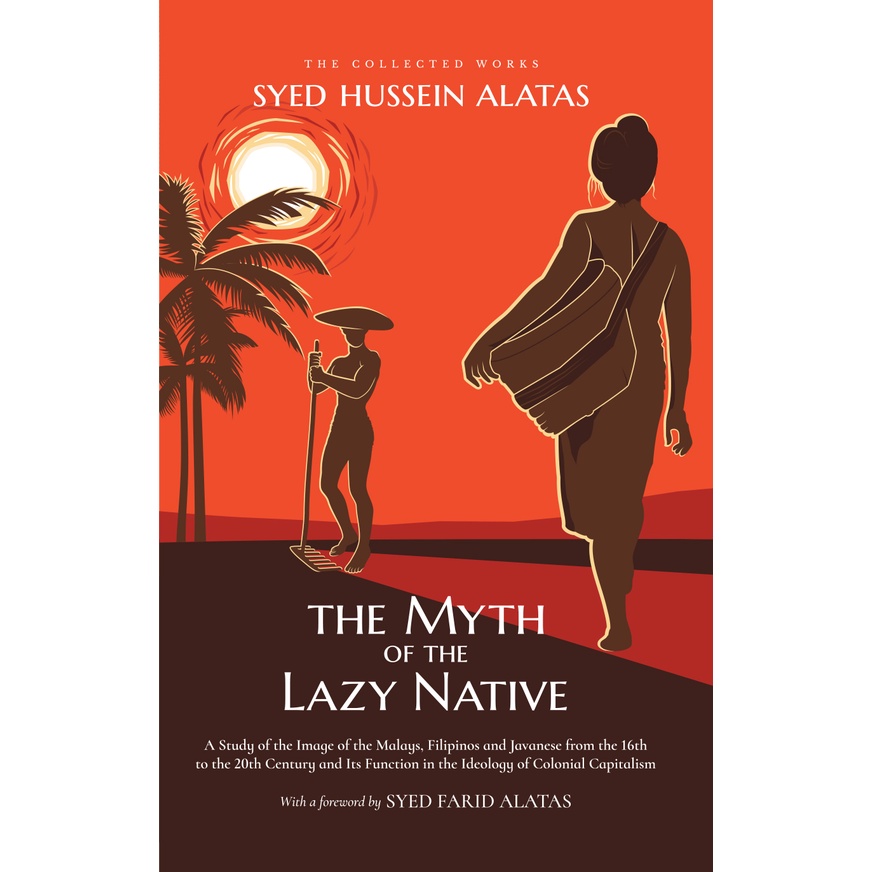
Book review: The Myth of the Lazy Native by Syed Hussein Alatas
By Priya Kulasagaran
What does it actually mean to be lazy, and who decides what ambitions are worth pursuing? In The Myth of the Lazy Native, sociologist and academic Syed Hussein Alatas argues that in the eyes of the colonizer, laziness simply meant rejecting exploitation.
Dissecting colonial writings by administrators, scholars, and travelers, Alatas shows how colonial capitalism moralized labor along racial lines across colonies in Southeast Asia. From this perspective, the values of entire communities were measured solely by their usefulness to the empire.
For instance, in colonial Malaysia, Malay rice farmers, fishermen, and smallholders were dismissed as “indolent” for working on their own terms, supposedly unambitious due to their disinterest in colonial enterprises.
However, what counted as diligence was still deeply steeped in contempt. Here is one colonial observer’s “praise” for Chinese laborers, who were often debt-bonded and endured cruel conditions within colonial plantations and mines:
He is the mule among nations—capable of the hardest task under the most trying conditions; tolerant of every kind of weather and ill usage; eating little and drinking less; stubborn and callous; unlovable and useful in the highest degree.
Lazy or not, all were deemed subhuman by colonial masters who avoided manual labor themselves.
What feels most urgent to me as a Malaysian is the book’s exploration of how these myths were internalized by the colonized and adopted by the local elite to shape political and policy narratives. I still see Alatas’ critique reflected in how Malaysians perceive one another, with the same tired stereotypes coloring inter-ethnic assumptions of laziness and entitlement. The same pattern also shapes who we label as “expatriate” versus “migrant worker”. Perceptions of race still play a role in determining whose labor is valued, tolerated, or rendered disposable.
This article was published in Cracks, issue #1

