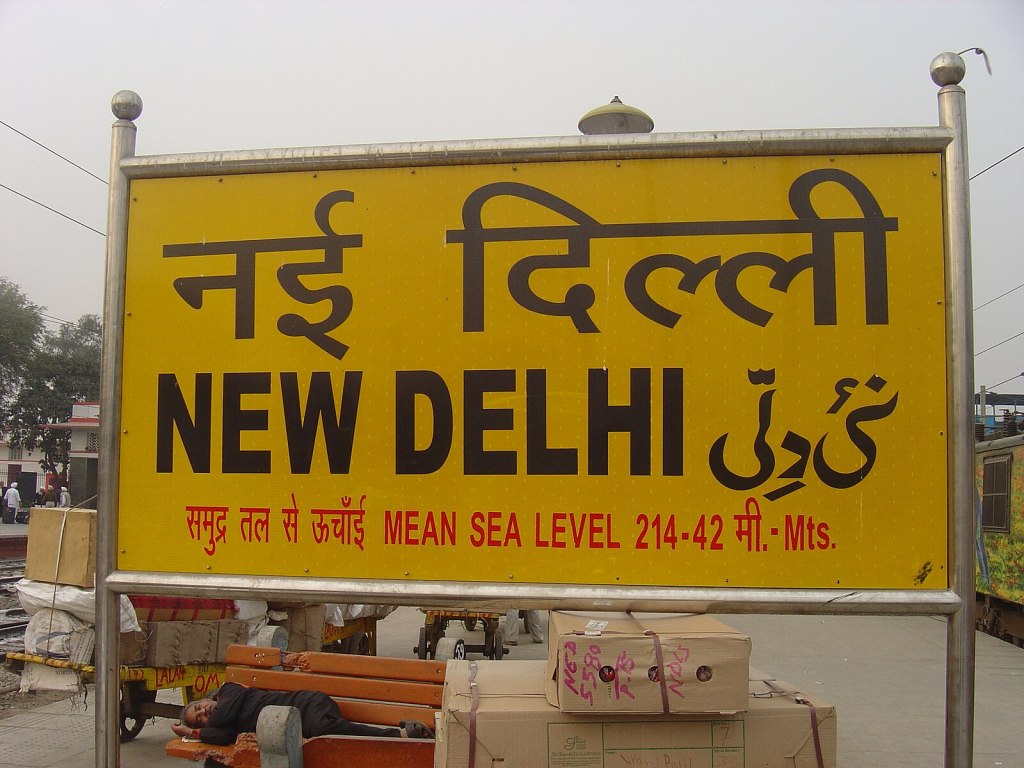
Tag: books

  • Why in Indian newsrooms the desk is important

    Why in Indian newsrooms the desk is important

    By Sunalini Mathew

    News reports from India in English will often have the speaker quoted talking in English, even though the language they spoke in was different. There are 22 languages in India listed in the constitution, with many hundreds of unlisted dialects, some of which don’t have scripts. It is likely that a bomb blast survivor in Delhi will speak Hindi, and a road accident survivor in Andhra Pradesh will speak Telugu.

    Publications now try and quote the person in the original language in a line or two, to establish what language the person spoke and also because some phrases or concepts are best described in the words of the land.

    India has of course accepted (some may say embraced) English as its own, and few publications hold on to British English. Indianisms like ‘take a bath’, ‘give an exam’, or ‘in winters’ are the norm, as more speakers whose language at home may be Bengali, Tamil, or any of the others, come into the workforce.

    Reporters, especially those working out of smaller cities and towns, usually think in their mother tongue or the local language they grew up with. When they write, they’re translating in their heads. An oft-made mistake is to say someone sat ‘on the table’ rather than ‘at the table’. So in an Indian newsroom, ‘the desk’ is important.

    There are certain concepts in India like caste, which require special treatment. For instance, many publications write Dalit-Bahujan-Adivasi (people traditionally considered untouchables, those discriminated against, tribal) in the same way the Associated Press style guide treats Black, with a capital at the beginning.

    As right-wing forces surge, there is a tendency for publications to prefix a Hindu god’s name with Lord, which wasn’t the case a generation ago. Similarly, humans venerated to god-like levels also get special treatment. Like the king Shivaji, who lived in the 17th century and is now reclaimed as a Hindu warrior. He is no longer just Shivaji, but Chhatrapati Shivaji Maharaj (chhatrapati translates to lord of the umbrella or sovereign protector; maharaj is king). His followers insist he be referred to this way, and media houses acquiesce , so they are not ‘outraged’ if he’s just called Shivaji.

    As India changes, so will its English.


    This article was published in Cracks issue #1
  • Idleness in the Age of Empire

    Idleness in the Age of Empire

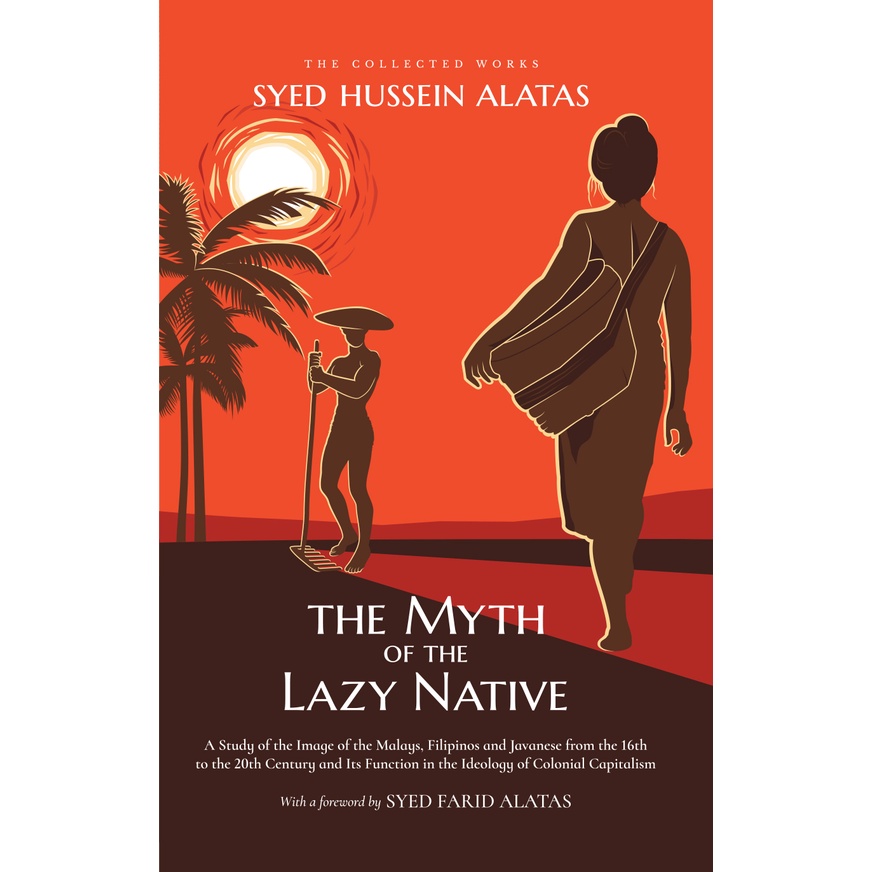
    Book review: The Myth of the Lazy Native by Syed Hussein Alatas

    By Priya Kulasagaran

    What does it actually mean to be lazy, and who decides what ambitions are worth pursuing? In The Myth of the Lazy Native, sociologist and academic Syed Hussein Alatas argues that in the eyes of the colonizer, laziness simply meant rejecting exploitation.

    Dissecting colonial writings by administrators, scholars, and travelers, Alatas shows how colonial capitalism moralized labor along racial lines across colonies in Southeast Asia. From this perspective, the values of entire communities were measured solely by their usefulness to the empire.

    For instance, in colonial Malaysia, Malay rice farmers, fishermen, and smallholders were dismissed as “indolent” for working on their own terms, supposedly unambitious due to their disinterest in colonial enterprises. 

    However, what counted as diligence was still deeply steeped in contempt. Here is one colonial observer’s “praise” for Chinese laborers, who were often debt-bonded and endured cruel conditions within colonial plantations and mines:

    He is the mule among nations—capable of the hardest task under the most trying conditions; tolerant of every kind of weather and ill usage; eating little and drinking less; stubborn and callous; unlovable and useful in the highest degree.

    Lazy or not, all were deemed subhuman by colonial masters who avoided manual labor themselves. 

    What feels most urgent to me as a Malaysian is the book’s exploration of how these myths were internalized by the colonized and adopted by the local elite to shape political and policy narratives. I still see Alatas’ critique reflected in how Malaysians perceive one another, with the same tired stereotypes coloring inter-ethnic assumptions of laziness and entitlement. The same pattern also shapes who we label as “expatriate” versus “migrant worker”. Perceptions of race still play a role in determining whose labor is valued, tolerated, or rendered disposable.


    This article was published in Cracks, issue #1