By Sanne Breimer
In the reporting on the Israeli genocide in Gaza, global Western mainstream coverage showed its limitations. My forthcoming paper, “Post-2023 Gaza: How Independent Media Complicate the Narrative,” argues that the biased coverage of the genocide is patterned rather than accidental. Legacy routines, what I call official indexing, episodic timelines, and a persistent “view from nowhere”, continue to shape what audiences see and what remains invisible. These routines privilege what is easiest to access and verify, such as government briefings or wire copy, while the voices under blockade or occupation are often left out.
Against that backdrop, a constellation of independent digital- native outlets, including +972 Magazine, Democracy Now!, De Correspondent, Forensic Architecture, and Orient XXI, demonstrates how journalism can make transparancy and positionality the new foundations of trust.
Each does this differently: +972 Magazine investigates the policies and command decisions that shape violence; Democracy Now! maintains long-term continuity beyond news cycles; De Correspondent centers listening and transparency through its member-funded model; Forensic Architecture turns verification into a public method; and Orient XXI builds regional capacity through multilingual collaboration.
When viewed through decolonial and change-centric lenses, these outlets show that accountability is not advocacy but just good journalism.
Credibility is earned when journalism states who we are, where we stand, and how we know what we know.
The paper translates these insights into a practical “practice protocol” for newsroom leaders. It includes operational steps like adding a positionality line in stories, disclosing methods and uncertainties, budgeting for co-authorship with local journalists, maintaining language glossaries to remove euphemisms, and creating community listening infrastructure. The goal is to make fairness auditable through verifiable processes and shared accountability.
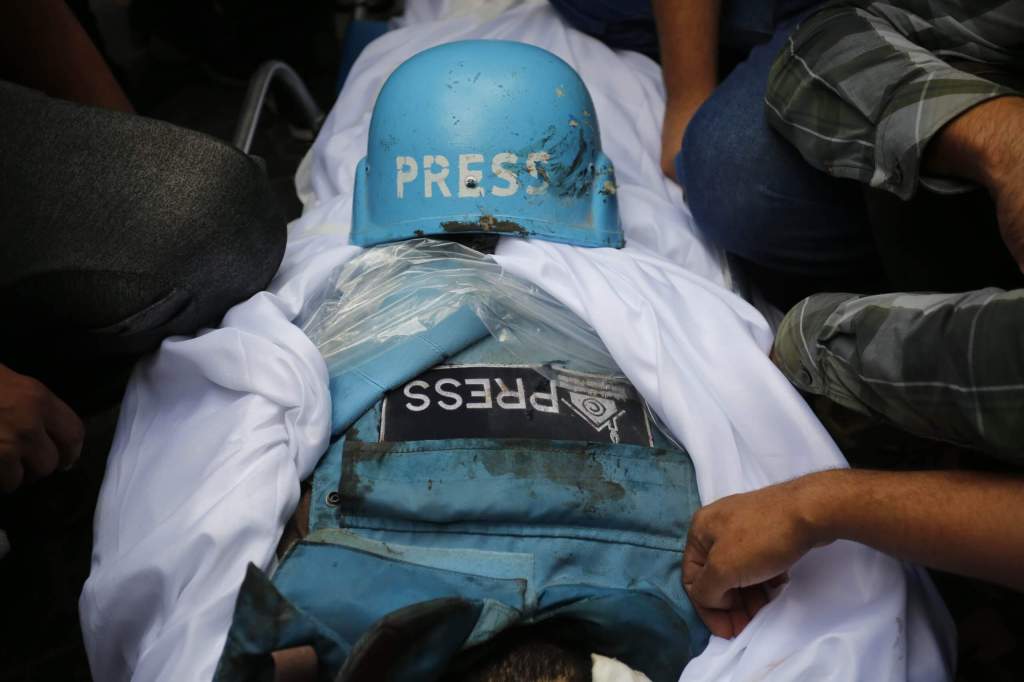
Founders and editors set the conditions for slower, more transparent reporting to thrive. Palestinian journalists who are working under extreme constraint are the model of this integrity daily; their methods, not just their testimonies, deserve to guide global journalism.
The paper has been presented at the “International Media and the War on Gaza: Modalities of Discourse and the Clash of Narratives” Conference, Doha, 29–30 November 2025.
This article was published in Cracks issue #1

