By Sunalini Mathew
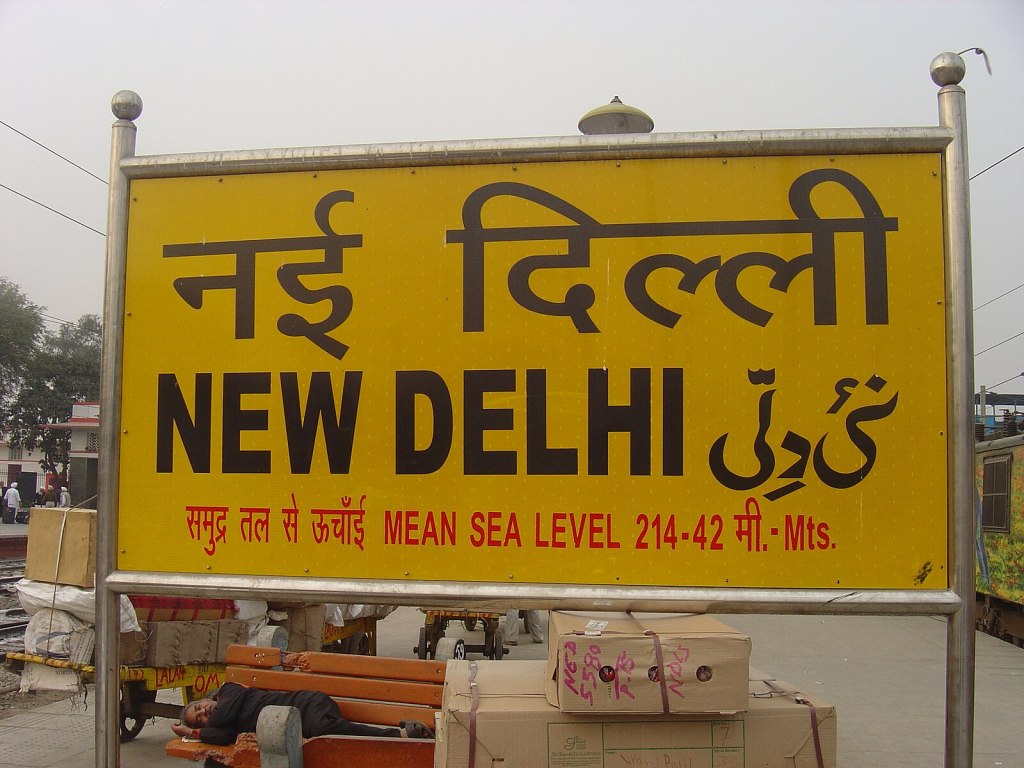
News reports from India in English will often have the speaker quoted talking in English, even though the language they spoke in was different. There are 22 languages in India listed in the constitution, with many hundreds of unlisted dialects, some of which don’t have scripts. It is likely that a bomb blast survivor in Delhi will speak Hindi, and a road accident survivor in Andhra Pradesh will speak Telugu.
Publications now try and quote the person in the original language in a line or two, to establish what language the person spoke and also because some phrases or concepts are best described in the words of the land.
India has of course accepted (some may say embraced) English as its own, and few publications hold on to British English. Indianisms like ‘take a bath’, ‘give an exam’, or ‘in winters’ are the norm, as more speakers whose language at home may be Bengali, Tamil, or any of the others, come into the workforce.
Reporters, especially those working out of smaller cities and towns, usually think in their mother tongue or the local language they grew up with. When they write, they’re translating in their heads. An oft-made mistake is to say someone sat ‘on the table’ rather than ‘at the table’. So in an Indian newsroom, ‘the desk’ is important.
There are certain concepts in India like caste, which require special treatment. For instance, many publications write Dalit-Bahujan-Adivasi (people traditionally considered untouchables, those discriminated against, tribal) in the same way the Associated Press style guide treats Black, with a capital at the beginning.
As right-wing forces surge, there is a tendency for publications to prefix a Hindu god’s name with Lord, which wasn’t the case a generation ago. Similarly, humans venerated to god-like levels also get special treatment. Like the king Shivaji, who lived in the 17th century and is now reclaimed as a Hindu warrior. He is no longer just Shivaji, but Chhatrapati Shivaji Maharaj (chhatrapati translates to lord of the umbrella or sovereign protector; maharaj is king). His followers insist he be referred to this way, and media houses acquiesce , so they are not ‘outraged’ if he’s just called Shivaji.
As India changes, so will its English.
This article was published in Cracks issue #1