By Anne Jomard
Objectivity is often equated with data. Buzzwords like “evidence-based” and “science-backed” are a mainstay in all forms of journalism. While the scientific method is designed to produce unbiased results, the decision which projects get funded and who gets to do the research is far from neutral.
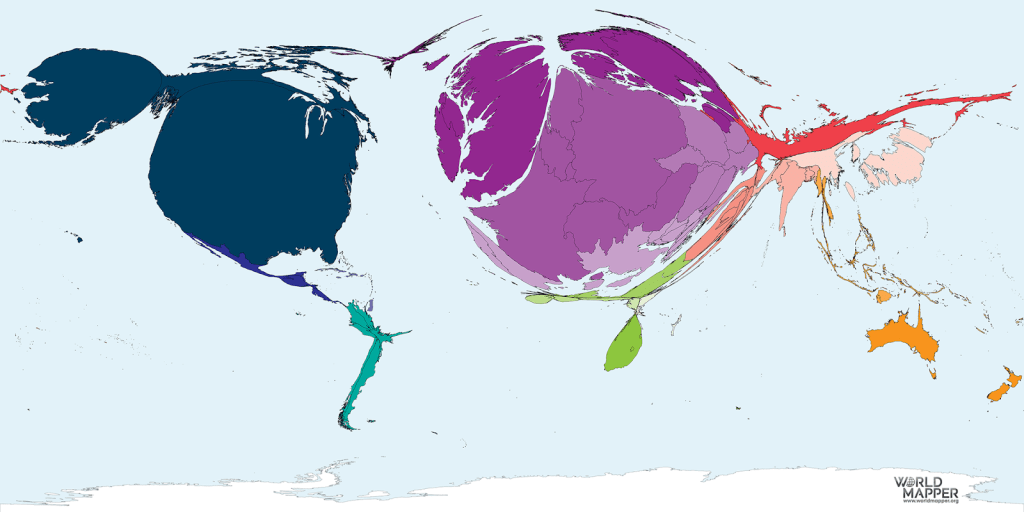
Most science is done in Western countries by Western scientists, constraining what we accept as true to a single worldview. Language barriers remain high, with English-language papers receiving more visibility and being more often cited. Non-native English speakers report being penalised at the peer-review process, a crucial step where the scientific community decides if results are robust enough to be published. Most published science is done by men, with women representing only 5 to 22% of highly cited—and therefore influential—researchers. The pool of accessible and acceptable scientific evidence is distorted towards the white, male, rich, and English-speaking perspective.
Evidence is mounting that this is not only reductive but, often, outright wrong. Indigenous and traditional knowledge stands the test of time in many areas of the world, but still struggles to be recognized as a valid form of evidence. Efforts are already underway to unite the wisdom of both Indigenous knowledge and Western science.
Journalists can participate in the movement to decolonize data by paying special attention to the source of their scientific evidence, balancing their argument with non-English publications from different parts of the world, and by including diverse viewpoints in their reporting. The OpenNotebook, a newsroom by and for science journalists, has a helpful and free guide for journalists wanting to track source diversity.
This article was published in Cracks issue #1


Leave a Reply